
Amsterdam Photography: Canals, Architecture and Street Life

Amsterdam photography brings architecture and everyday life into close contact. Canal houses rise directly above the water, trams cross elaborate brick façades, and shop windows introduce colour into narrow streets.
This selection from my travel photography archive explores those relationships through daylight, reflections and evening illumination. Recognisable landmarks sit alongside smaller observations: a painted storefront, people beneath a vaulted passage, or a quiet moment beside a canal.
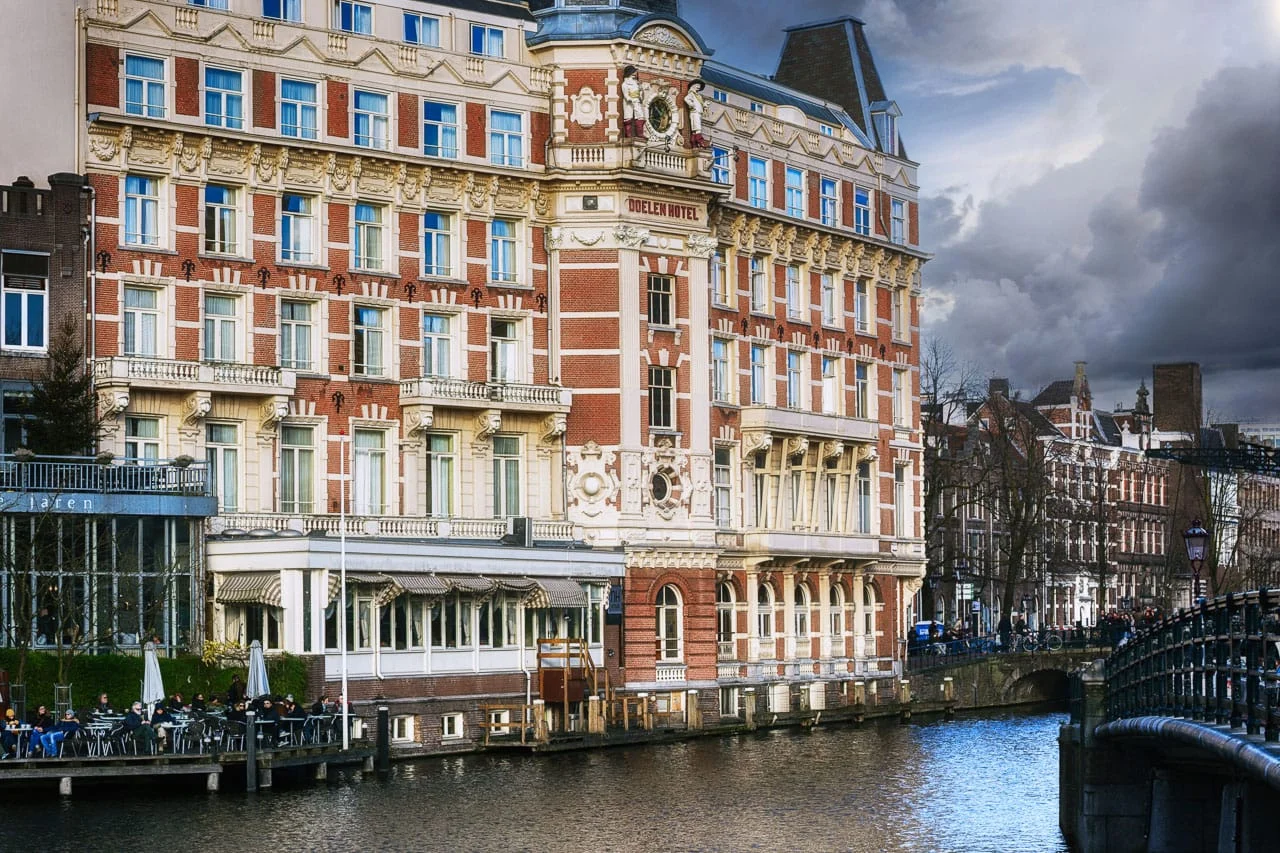
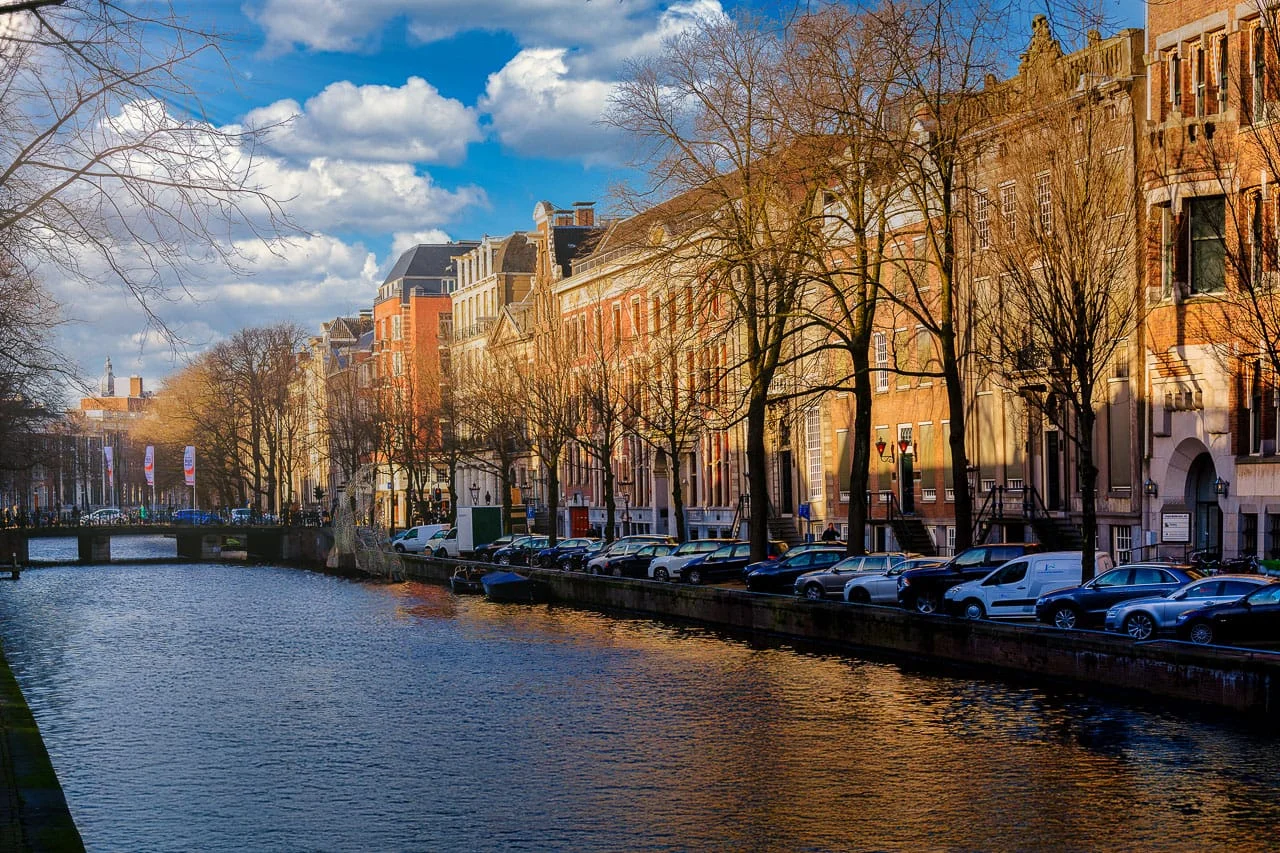
Photographing Amsterdam’s canals
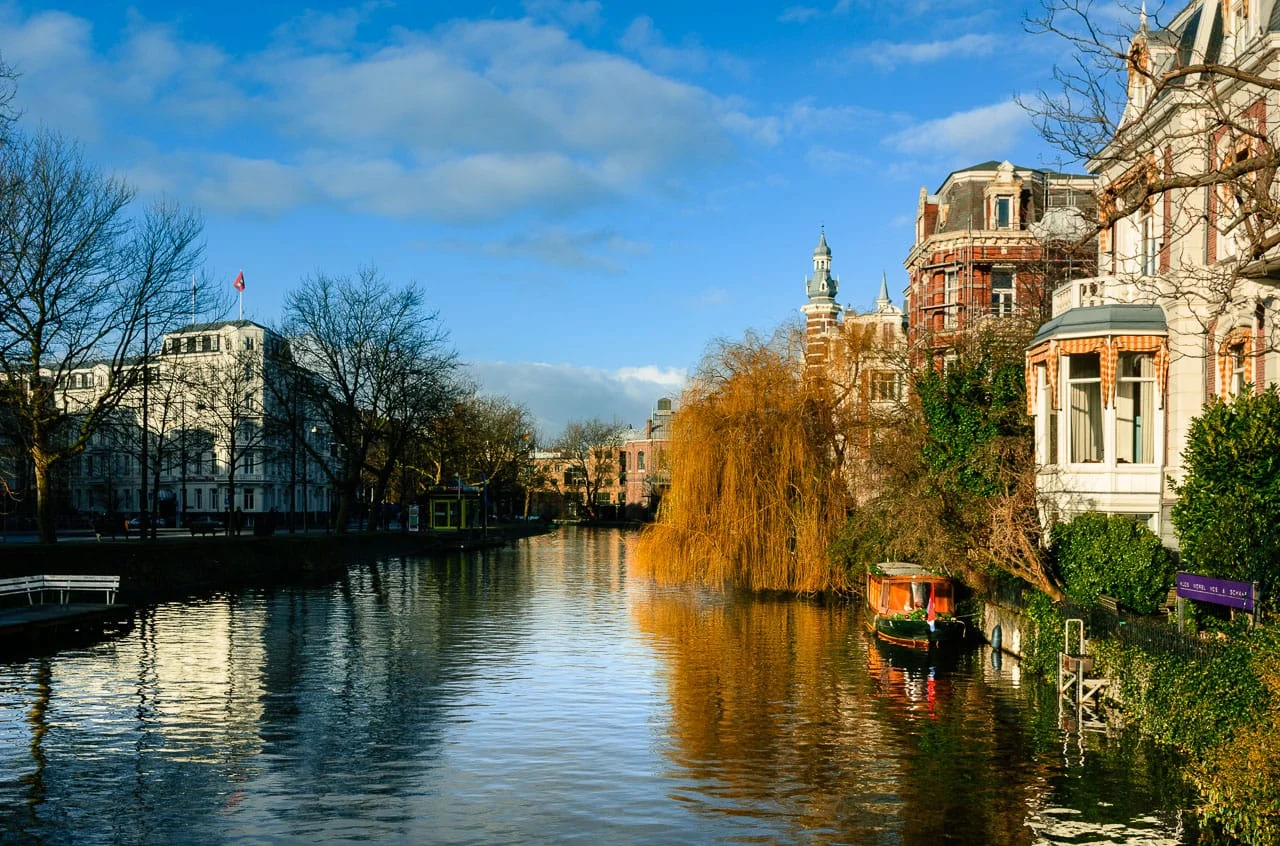
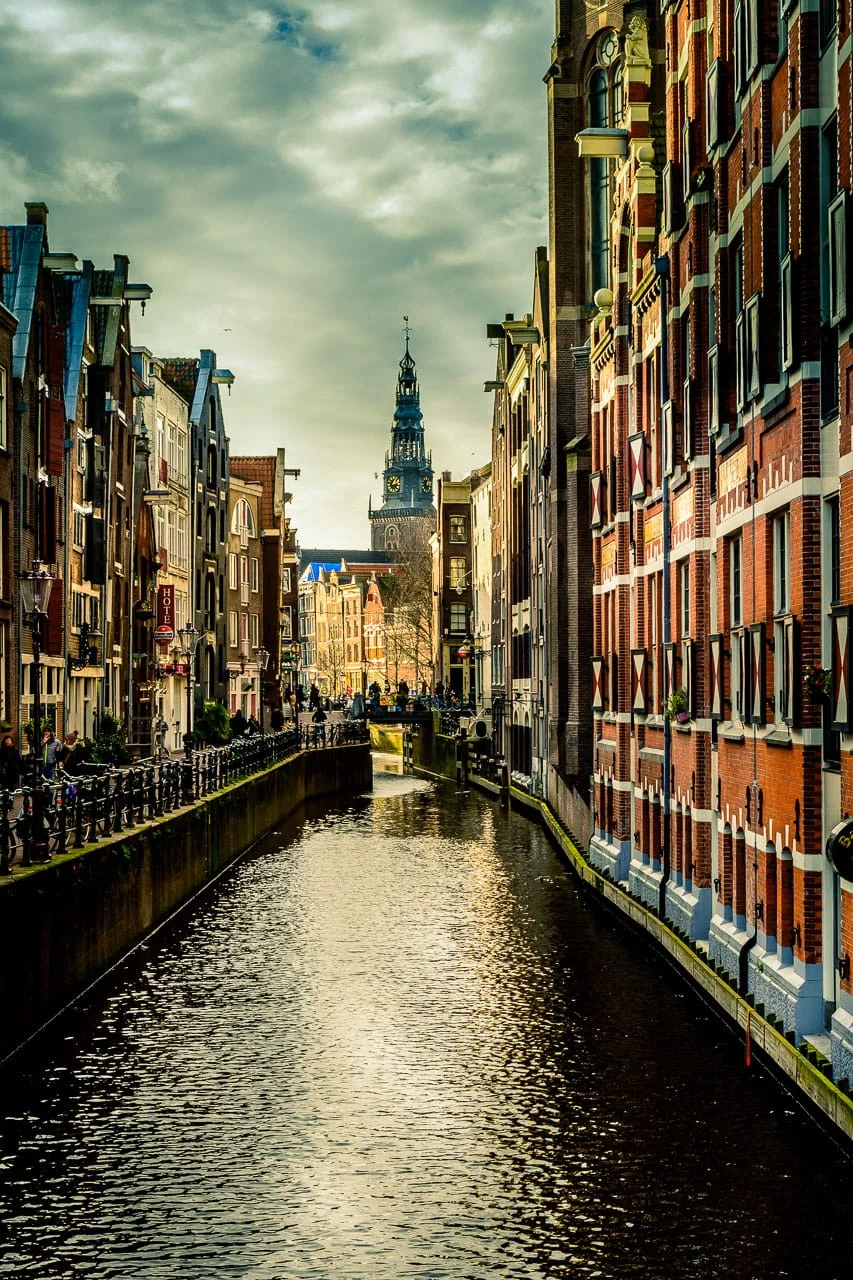
The canals create space between the photographer and the buildings. From the opposite bank, a façade can be seen together with its roofline, neighbouring houses and reflection. Looking along the water produces a different composition, with converging edges drawing attention towards a bridge or distant tower.
In these photographs, the water is rarely a perfect mirror. Ripples break the reflected buildings into bands of colour, adding movement beneath the more ordered rows of windows. Bare branches introduce another layer without completely concealing the architecture.
Amsterdam’s seventeenth-century canal ring is a UNESCO World Heritage Site. The UNESCO description of the canal district provides useful context for understanding how its waterways and urban layout developed.
For photography, the practical question is where to stand. A small change in viewpoint can separate a tree from a façade, reveal more of a bridge or give a reflection enough room within the composition.
Architecture at different scales
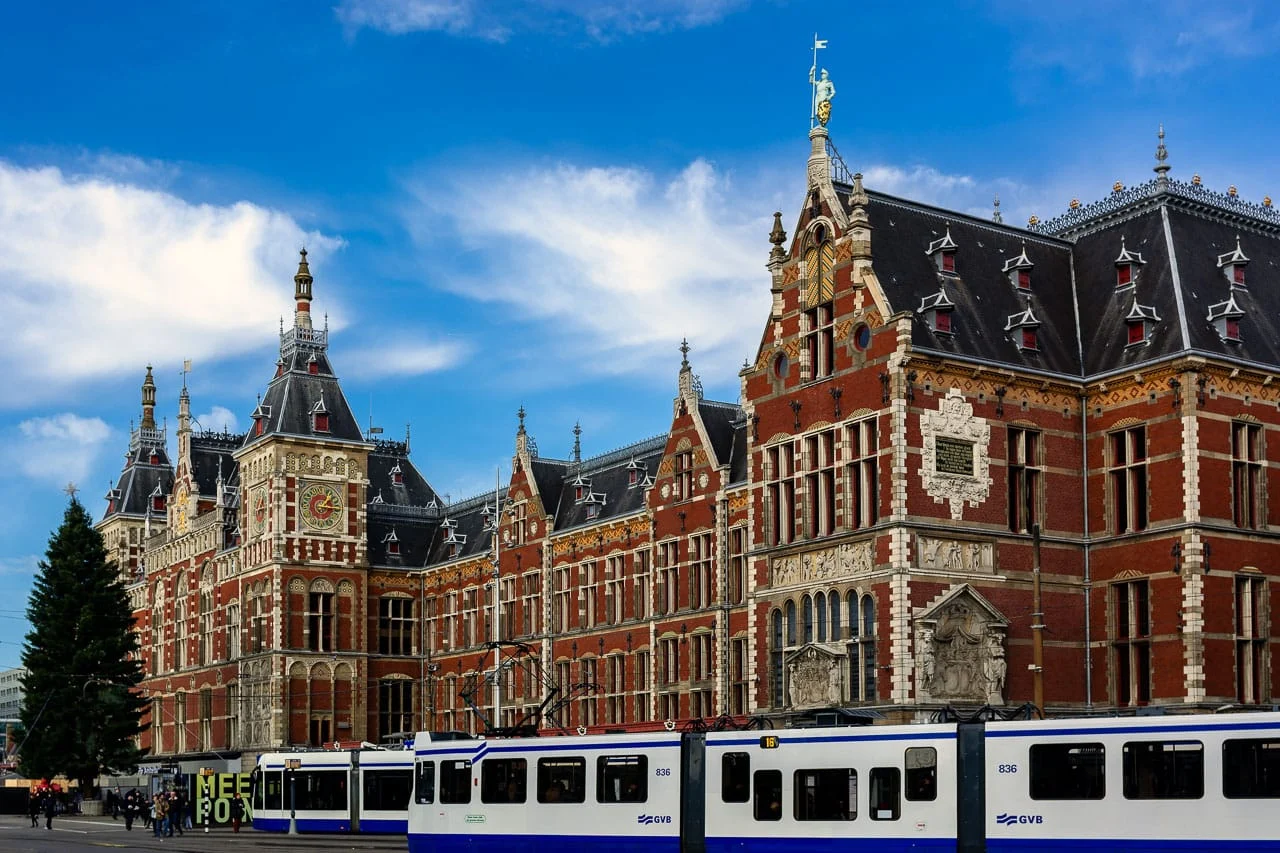
Amsterdam Centraal presents an elaborate arrangement of brick, pale stone, towers and roof details. In the photograph, a tram crosses the lower part of the scene, placing the historic building within the movement of the city.
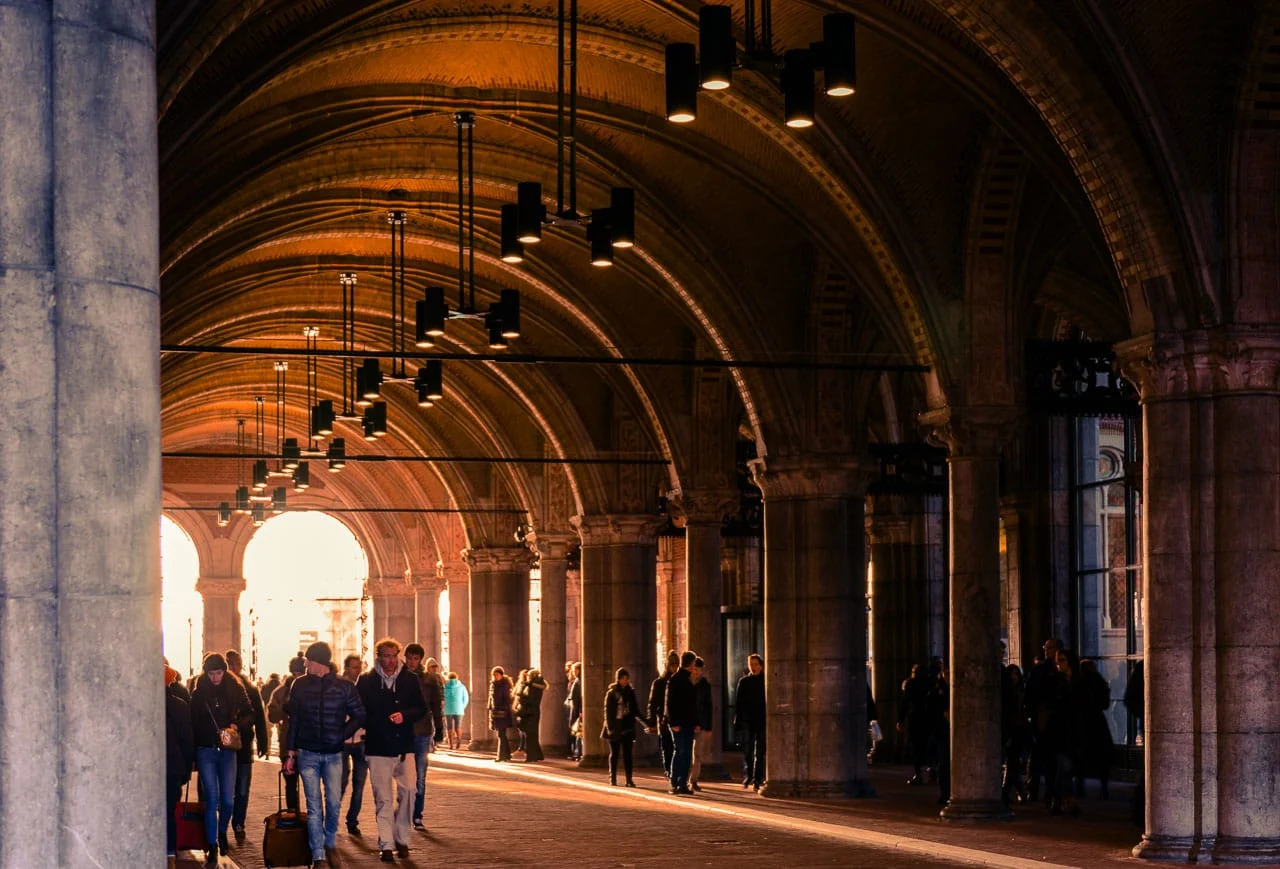
The vaulted passage offers a more enclosed view. Repeated arches establish depth, while light from the opening outlines people moving through the space. Their presence gives the architecture scale.
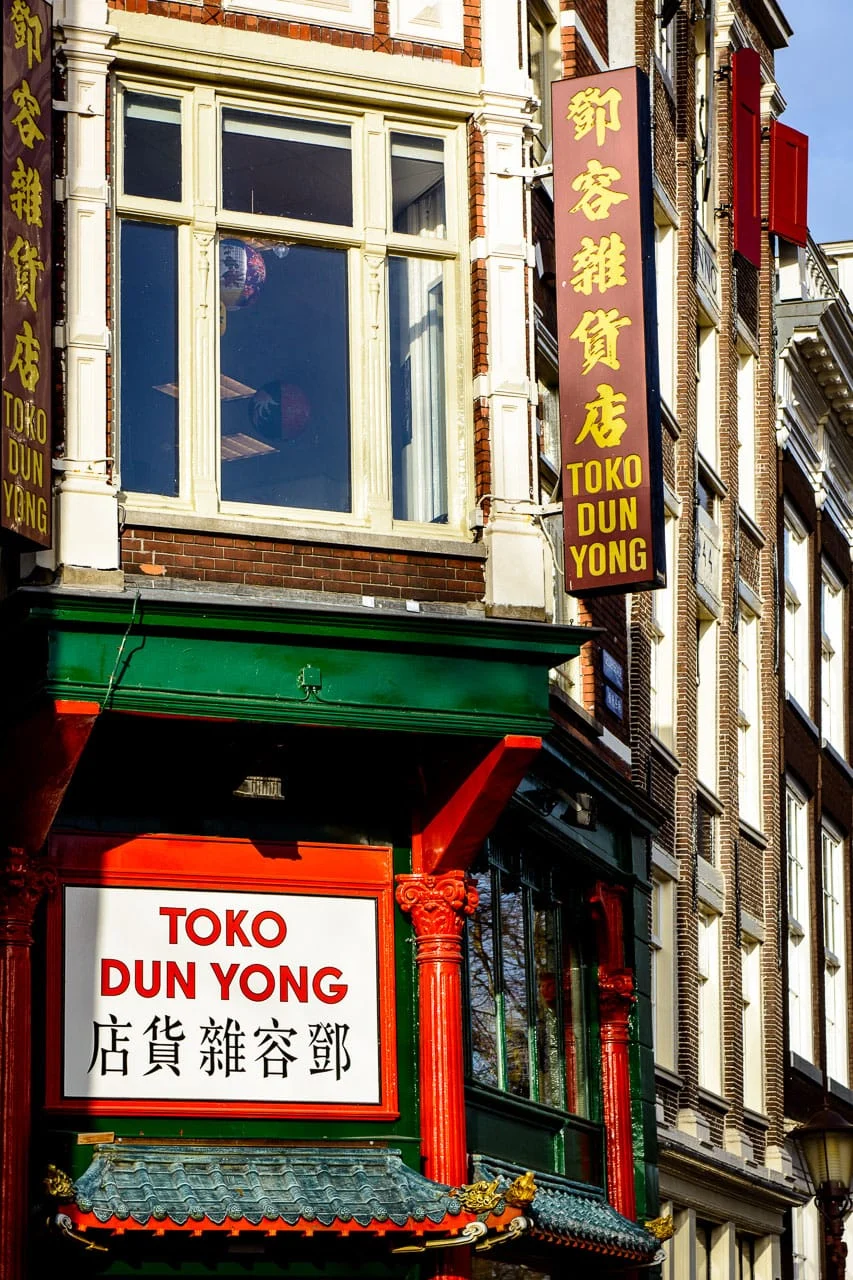
A smaller subject can be just as expressive. The red and green Toko Dun Yong storefront draws attention through colour, lettering and detail. It adds a different perspective to the wider canal views: the city seen at the scale of a doorway and a shop window.
For museum information and planning a visit, consult the Rijksmuseum’s official visitor page.
Finding photographs between landmarks
A photographic walk benefits from time between the main attractions. Windows, railings, bicycles, boats and street lamps can help describe how a place is used.
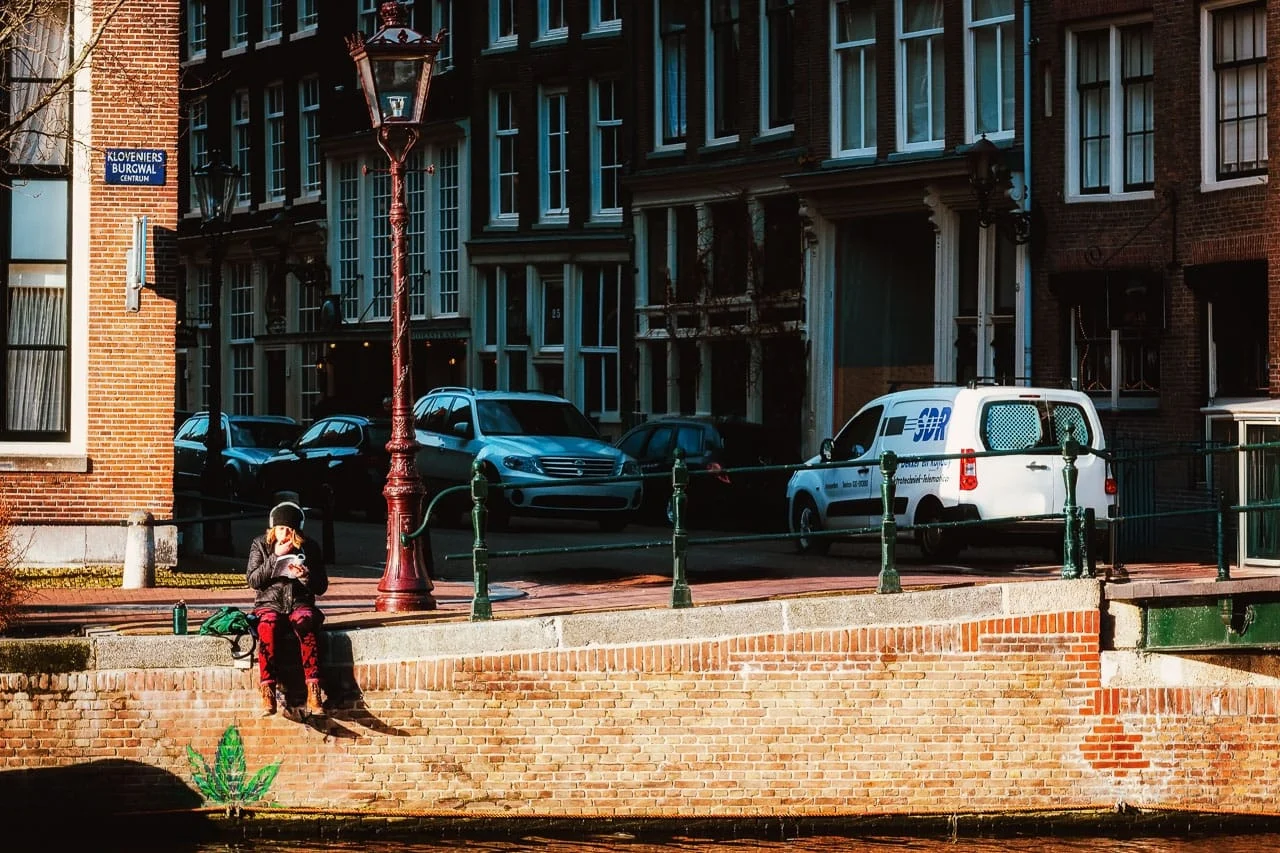
The photograph of a person sitting beside the canal is built around a modest moment. Sunlight separates the foreground wall from the darker buildings beyond, while the lamp provides a strong vertical line.
Look for these relationships before adding more elements to the frame. A quieter composition can communicate more clearly than one trying to include every feature of a busy street.
If you are planning a walk through the canal district, I amsterdam’s guide to the Nine Streets provides official neighbourhood information. It is a visitor resource rather than a route documenting where every photograph in this selection was taken.
Amsterdam photography after dark
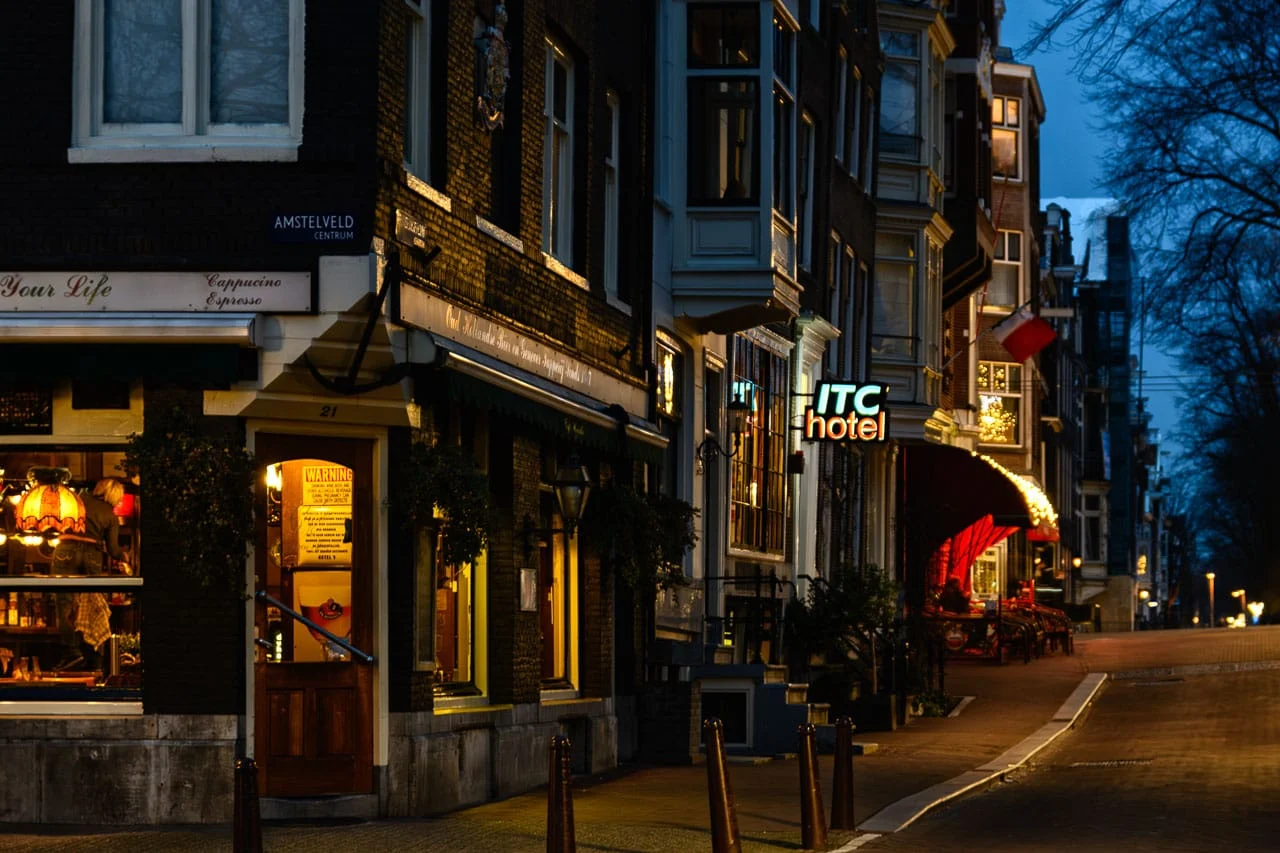
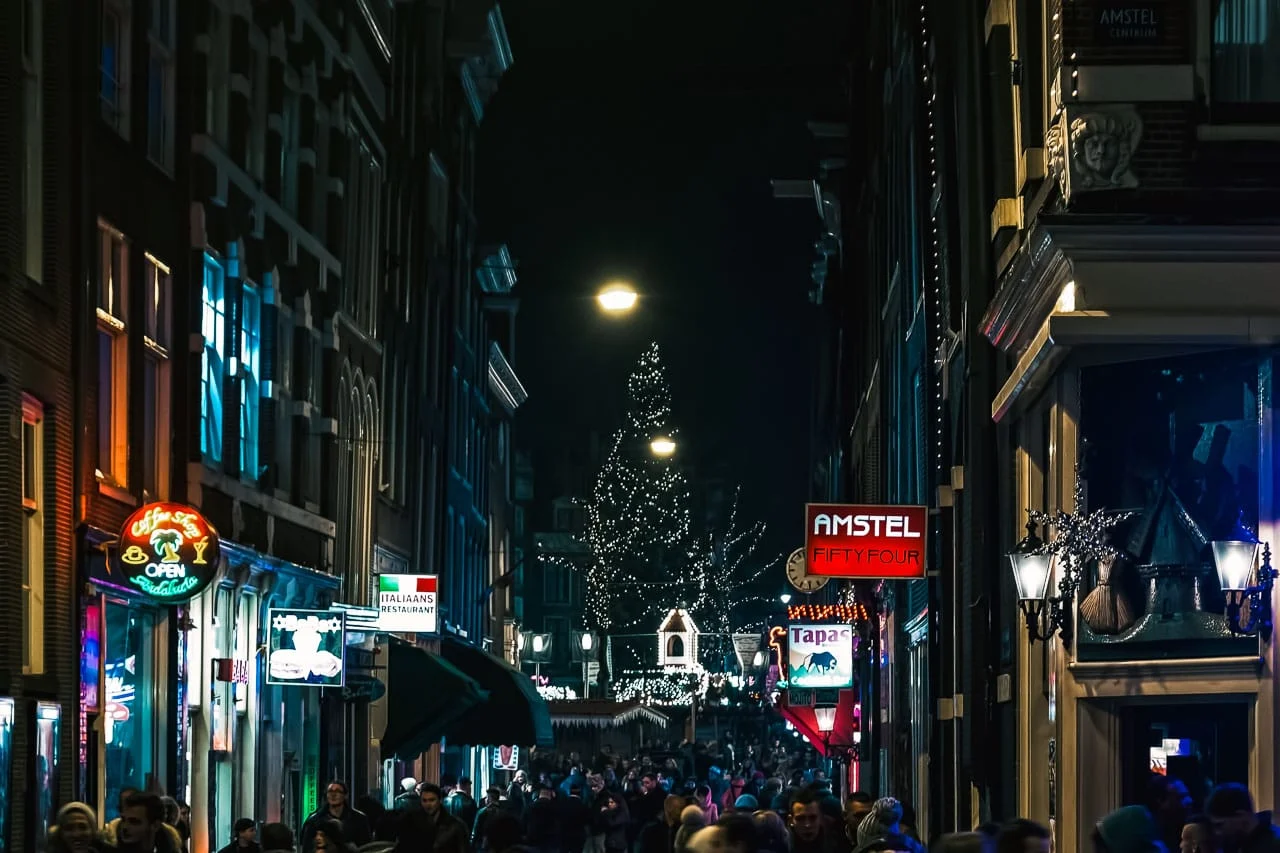
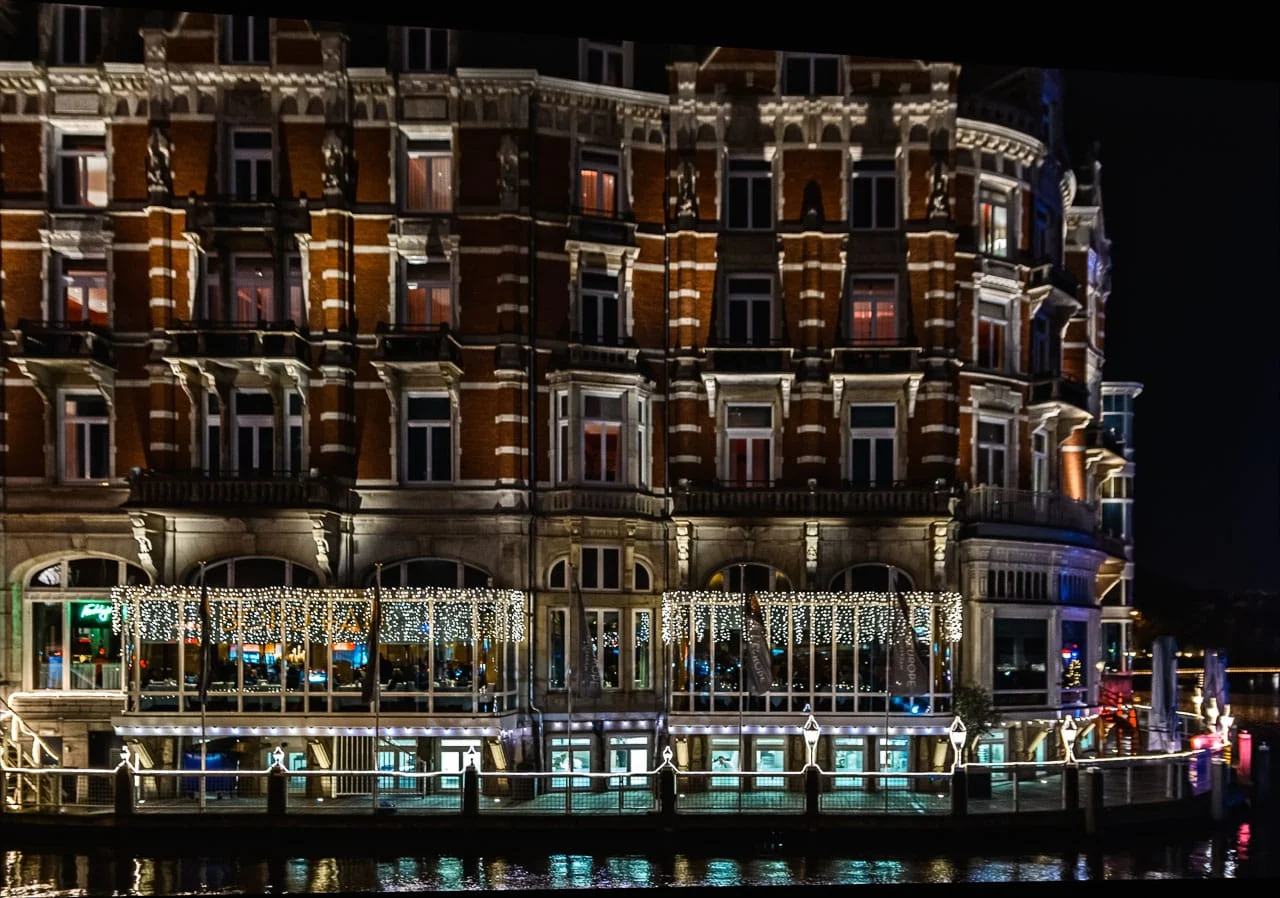
Evening changes the balance between buildings and streets. Shop interiors become bright points within darker façades, signs stand out more strongly, and waterfront lighting produces broken reflections.
The photographs range from a relatively quiet street at dusk to a crowded night scene. Their different atmospheres depend on how much darkness remains around the illuminated details.
When composing after dark, pay attention to the brightest areas. A sign or window can dominate the photograph even when it occupies very little space. Leave enough of the surrounding street visible to explain its setting.
Planning your own photographic walk
Allow time to revisit a view as the light changes. Keep entrances and cycle routes clear, respect residents’ privacy, and check a venue’s photography rules before working inside. The linked official resources are the best starting points for current visitor information.
Archive note: the opening photograph shows the former “I amsterdam” letters outside the Rijksmuseum. They are no longer at this location.
Explore more travel photography
Amsterdam is one part of my wider photographic archive. Explore my Travel & Destinations collection for photographs of cities, coastlines, mountains and cultural landmarks in Greece and around the world.