
Natural Framing in Photography: Looking Through the Scene

An archway, a window or an overhanging branch can change how a photograph feels. These elements establish a foreground, suggest a viewpoint and draw attention towards something beyond them.
Natural framing means using elements already present in the scene to shape the composition. They need not come from nature: doorways, stone openings and window frames can serve the same purpose. The important question is whether they help the photograph communicate what caught your attention.
Begin with the subject
Before looking for a frame, decide what matters in the scene. It might be a building, a distant landscape or the relationship between light and shadow.
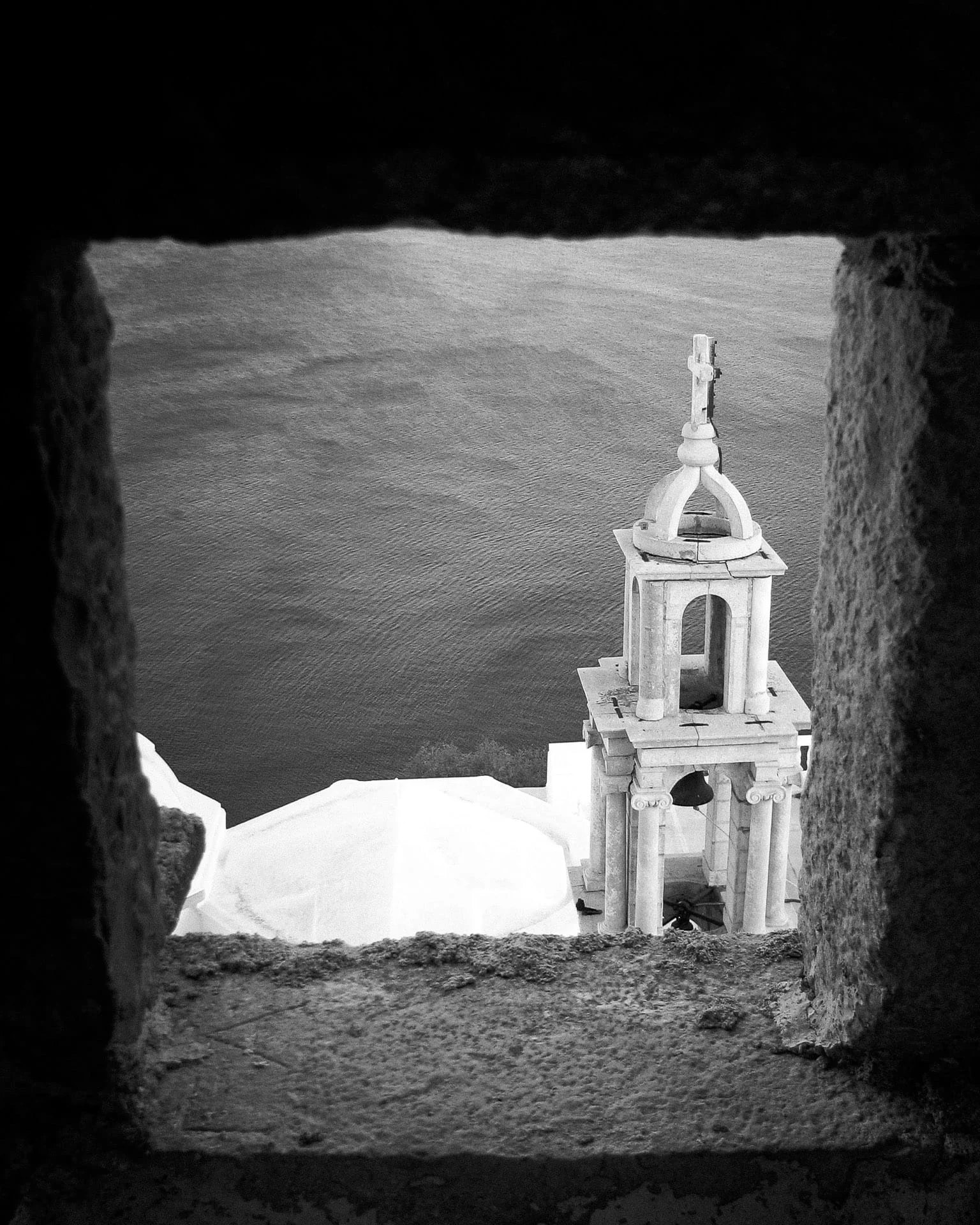
In the black-and-white photograph of the bell tower, the rough stone opening surrounds the brighter architecture beyond. Its dark edges separate the tower from the foreground while giving a sense of looking through a wall.
The opening contributes texture and depth. It also leaves enough space for the tower to remain clearly visible. A frame becomes less useful when it obscures the detail that made the scene interesting.
A frame does not need four sides
A complete opening can create a strong sense of enclosure, but a branch across the top or a tree along one edge may be enough.
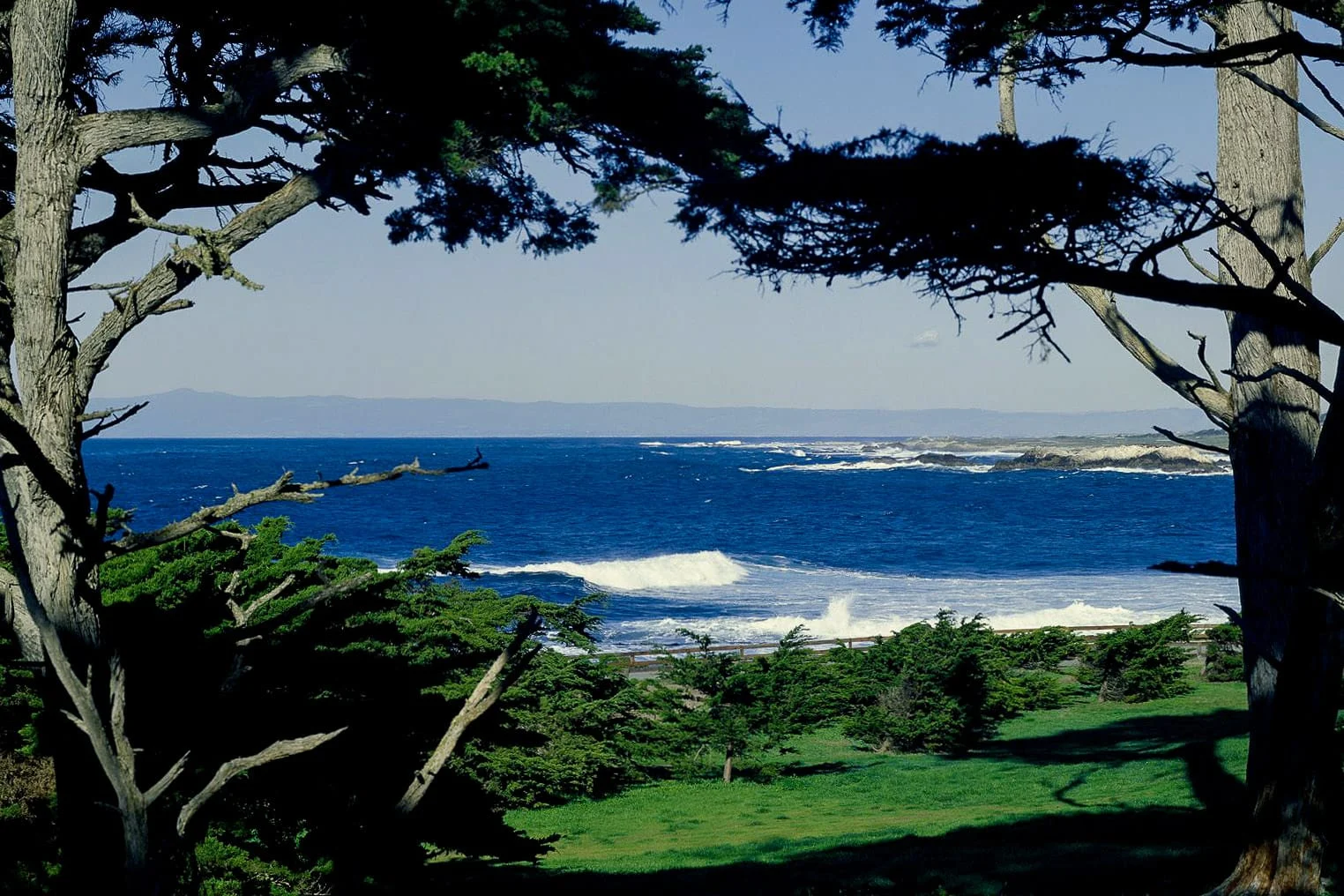
In the coastal photograph, foreground trunks and overhead branches establish a sheltered viewpoint towards the open water. The contrast between the nearby trees and the distant shoreline makes the space easier to read.
There is no ideal number of sides. Look at the balance of the whole image: how much space the framing element occupies, where it directs attention and whether the subject has room around it.
Pay attention to overlaps and edges
Small changes in camera position can substantially alter a framed composition. A branch may cross a roofline; a window bar may interrupt an important detail; a bright patch near the edge may compete with the subject.
Before taking the photograph, look around its perimeter as carefully as you look at its centre. Moving slightly sideways, lowering the viewpoint or allowing more space around the subject may resolve an awkward overlap.
A dark foreground can help separate a brighter scene beyond, but it should still feel intentional. Too much foreground can make the view feel obstructed.
Let the frame contribute to the photograph
Sometimes the frame is an important part of the subject.
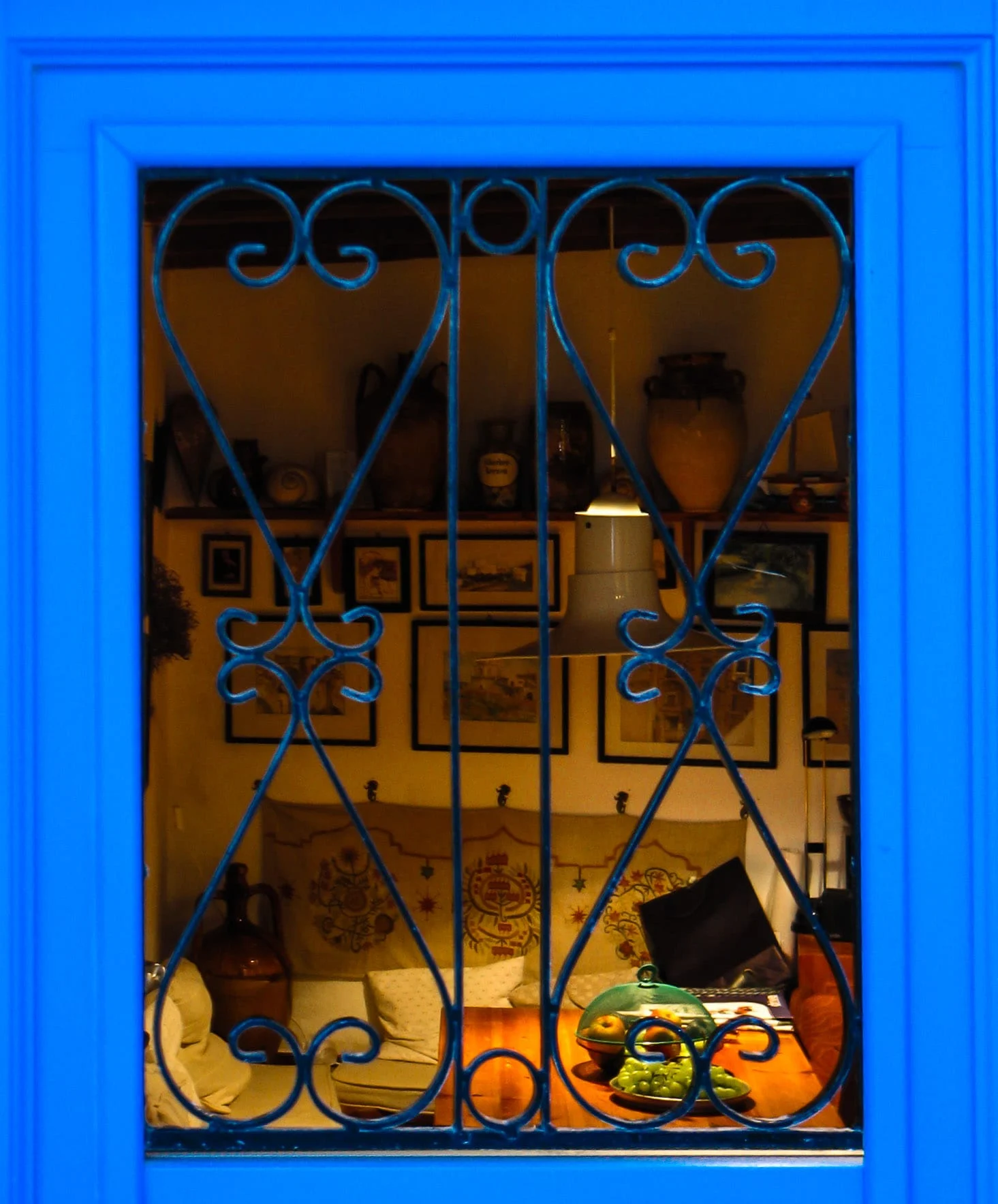
In the blue-window photograph, the painted surround and decorative metalwork have their own character. Their cool colour contrasts with the warm interior, creating a relationship between the outside and the room beyond.
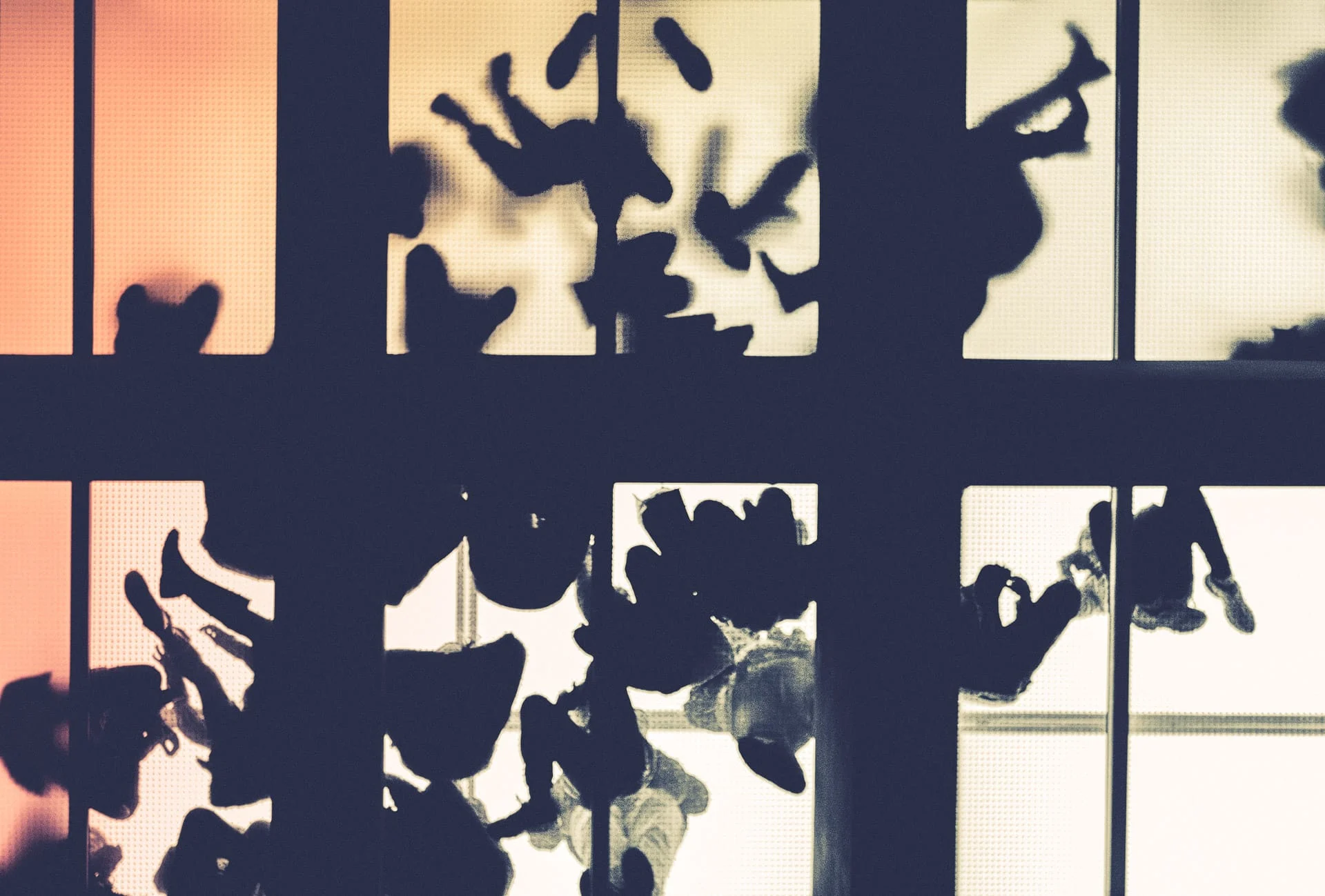
The backlit window photograph works differently. Its dividing bars organise the plant silhouettes into smaller areas of light and shadow. Here, the frame helps form the image rather than simply surrounding a separate subject.
Know when to leave the view open
Framing is an option, not a requirement. An uninterrupted sky, open shoreline or simple arrangement of forms may already give a photograph everything it needs.
Ask whether the foreground adds depth, context or a useful visual relationship. If it only adds clutter, a clearer viewpoint may be stronger.
The aim is to notice how nearby elements change the scene beyond them—and choose the composition that best expresses what you see.
Explore more photographs in Travel & Destinations.